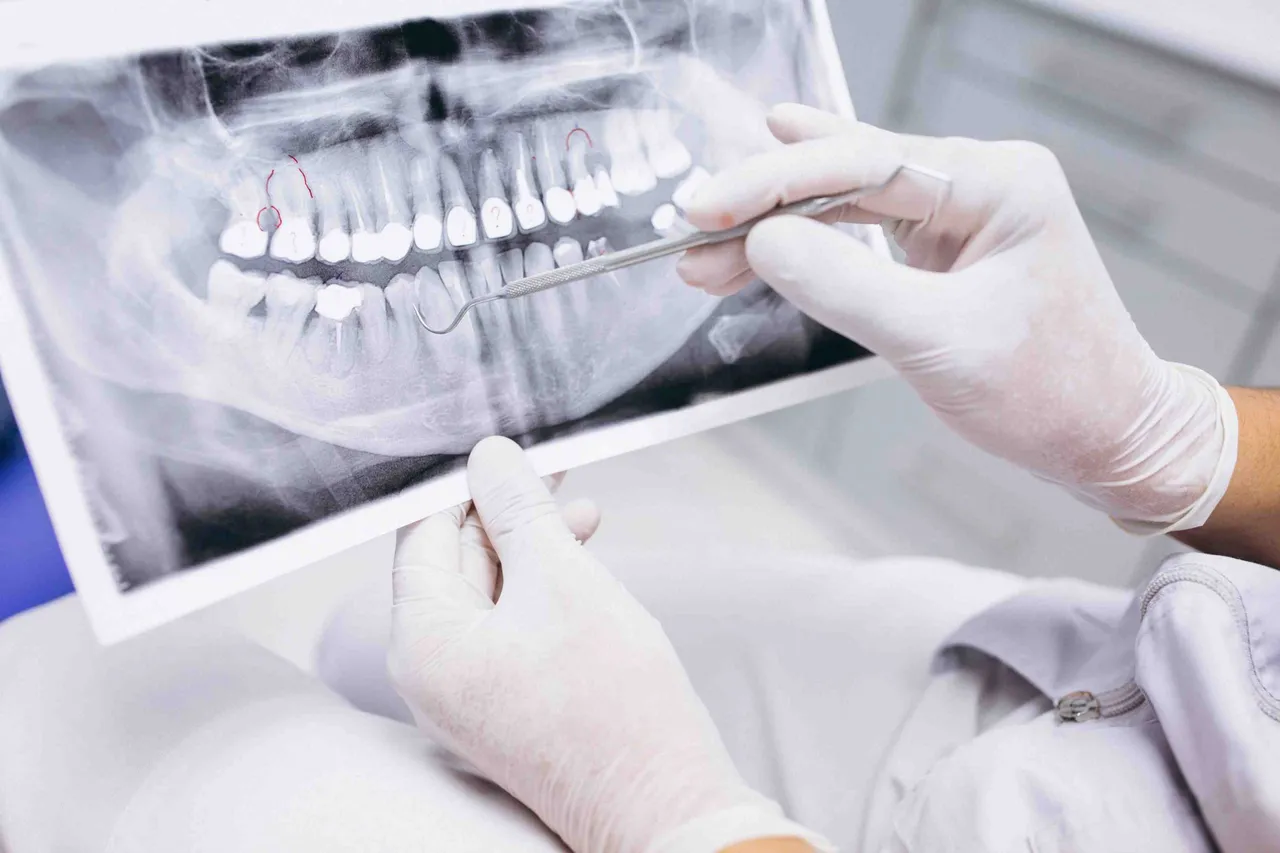
A panoramic X-ray, also called a panoramic radiograph or “panorex”, is a single image that shows the whole mouth, including all the teeth, their roots, the upper and lower jawbones, the sinuses and the jaw joints.
Small dental X-rays show a few teeth in detail. The panoramic image shows how everything fits together, which is why it is the starting point for planning many treatments.
What it shows
- Teeth that have not come in, including impacted wisdom teeth.
- The amount of bone where an implant could go.
- The position of the nerves and the sinuses.
- Infections at the tips of the roots.
- Bone loss from gum disease.
- Cysts and other changes in the jaws.
When we use it
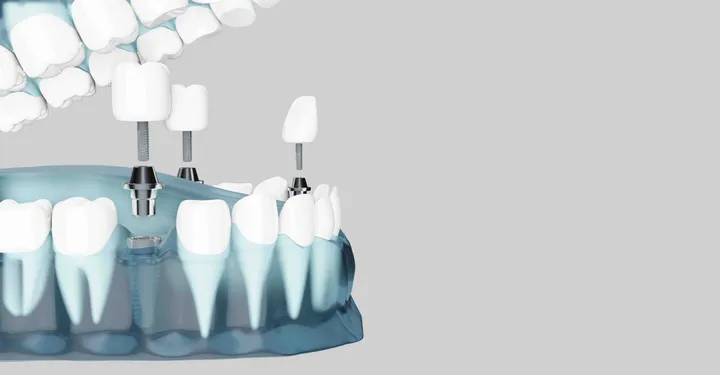
- Before placing dental implants.
- Before orthodontic treatment.
- To plan extractions, including wisdom teeth.
- To check the roots before a root canal or a bridge.
- As part of a complete first exam.
What to expect
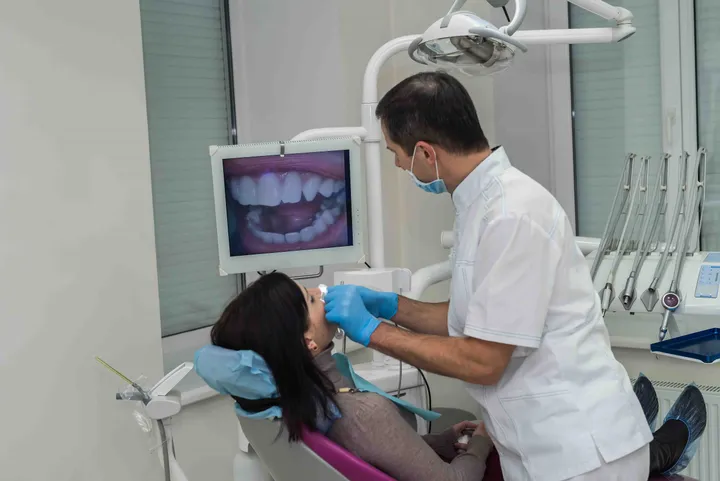
You stand or sit still while the machine rotates around your head for a few seconds. You will be asked to remove earrings, glasses and anything metal near your head and neck, and to bite gently on a small guide that keeps your teeth in position. It is quick and painless.
Safety
A panoramic X-ray uses a low dose of radiation. We take X-rays only when they help with your diagnosis, and you should tell us if you are or could be pregnant. Afterward, we review the image with you and explain what it shows.