Orthodontics is the branch of dentistry that corrects the position of the teeth and the way the upper and lower jaws meet. Straighter teeth are easier to clean, wear more evenly and, for many people, are the base for a smile they feel good about.
Problems braces can correct
- Crowded or overlapping teeth.
- Gaps between teeth.
- Overbite, underbite, crossbite or open bite.
- Teeth that have shifted after losing a neighbor.
- Teeth that need to be repositioned before implants, bridges or veneers.
How braces work
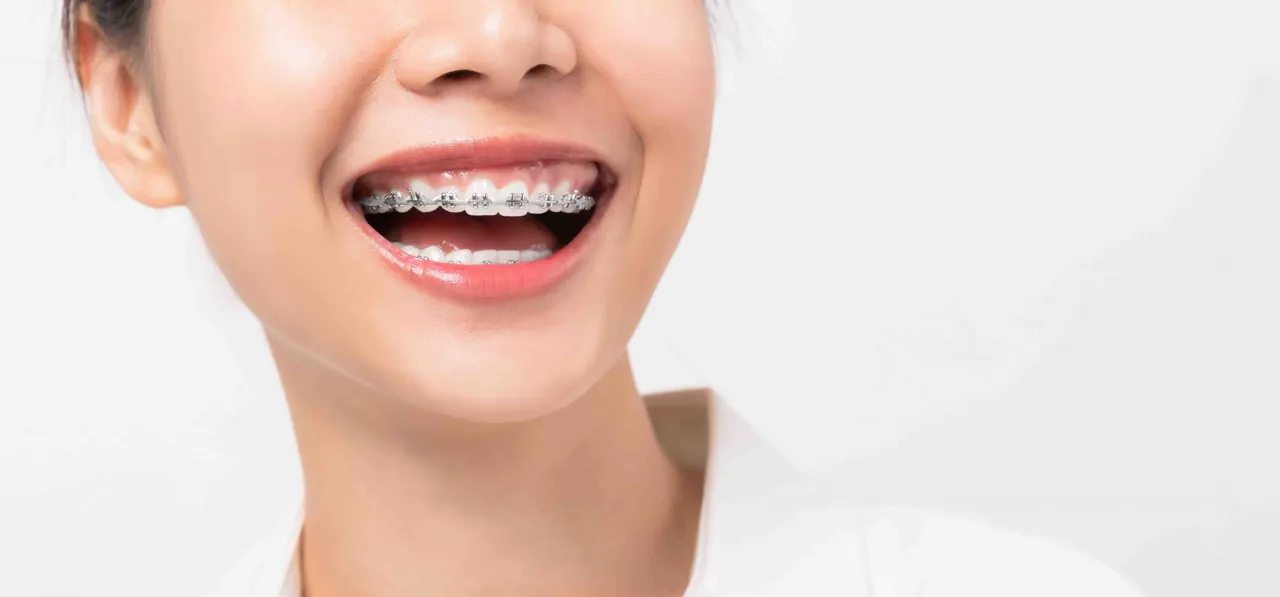
Brackets are bonded to the teeth and connected with a wire. At each adjustment visit the wire is changed or adjusted to apply gentle, steady pressure, and the teeth move little by little through the bone. Elastics or other accessories may be added to correct the bite.
The process
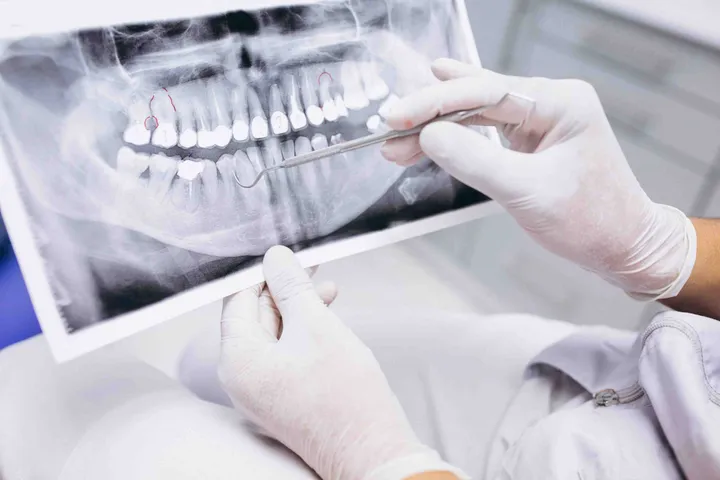
- Diagnosis. We examine your teeth and bite and take a panoramic X-ray and photos.
- Treatment plan. We explain what will move, how long it should take and how often you need to come in.
- Placing the braces. Bonding the brackets does not hurt and takes one appointment.
- Adjustments. You come back regularly so we can adjust the wire and check your progress.
- Retention. When the teeth are in place, we remove the braces and give you a retainer to keep them there.
Living with braces
Expect some soreness for a few days after the braces go on and after some adjustments. Brush carefully around the brackets, use floss threaders or a water flosser, and avoid hard or sticky foods that can break a bracket.
Orthodontics for patients from the U.S.
Unlike a crown or a veneer, braces require regular visits for many months. If you live in San Diego or nearby, the short drive from the border makes this easier, but make sure the schedule works for you before you start. We are happy to talk it through on WhatsApp.